
Flatbed Towing vs Wheel-Lift Towing: Understanding the Best Option for Your Vehicle
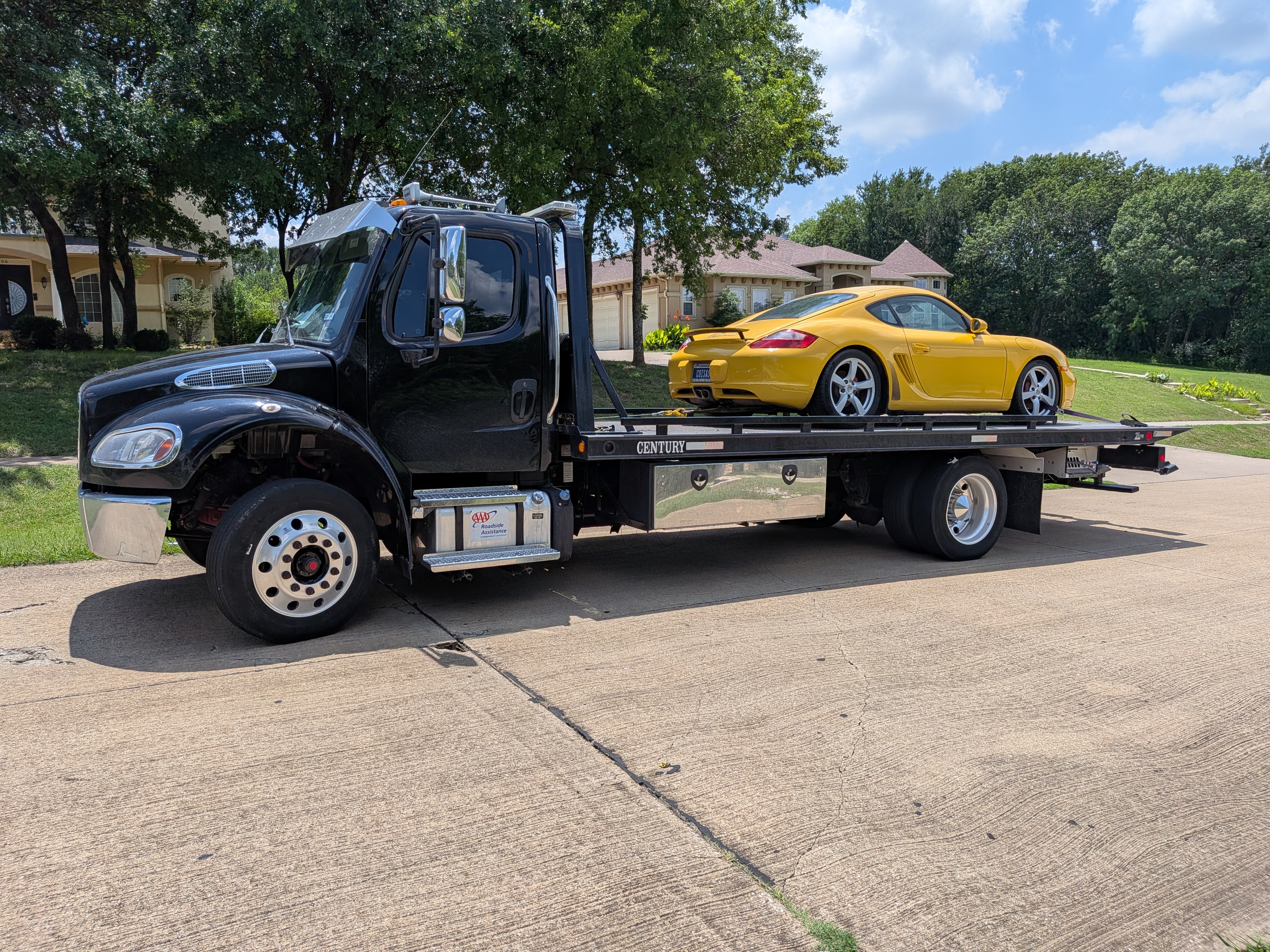
When your car needs to be towed, the method used can directly impact its condition. Many drivers are unaware that choosing the wrong towing method can cause unnecessary damage.
Understanding the difference between flatbed towing and wheel-lift towing helps you make a smarter and safer decision.
What Is Flatbed Towing?
Flatbed towing involves loading the entire vehicle onto a truck with a flat platform. Once secured, the vehicle is completely lifted off the ground.
This method is widely considered the safest option because it eliminates any contact between your car’s tires and the road.
Ideal For:
Luxury and sports cars
All-wheel-drive (AWD) vehicles
Vehicles with major damage
Long-distance towing
Flatbed towing ensures that your car remains in the same condition throughout the journey, making it the preferred choice for high-value vehicles.
What Is Wheel-Lift Towing?
Wheel-lift towing works by lifting either the front or rear wheels of the vehicle while the remaining wheels stay on the road.
This method is commonly used because it is quicker and more cost-effective.
Ideal For:
Short-distance towing
Standard front-wheel or rear-wheel drive vehicles
Situations requiring fast roadside assistance
Key Considerations
While wheel-lift towing is efficient, it may not be suitable for all vehicles. Cars with low ground clearance or advanced drivetrain systems can be at risk of damage if not handled properly.
Which One Should You Choose?
The answer depends on your vehicle type and situation:
For maximum safety and zero risk → Flatbed towing is the best choice
For quick and budget-friendly service → Wheel-lift towing can be sufficient
Expert Insight
A professional towing service will assess your vehicle and recommend the most suitable method. Trusting experienced operators ensures your vehicle is handled with care.
Final Thought
Choosing the right towing method isn’t just about cost—it’s about protecting your vehicle and avoiding unnecessary damage.

Comments